




250,000 People Estimated to Be Living on the Streets in the UK and Al‑Fikr’s Response
Across the United Kingdom, the issue of homelessness has reached crisis proportions. While quantifying homelessness is complex, estimates frequently cited by organisations such as Shelter and advocacy partners indicate that around 250,000 people are living on the streets stable, permanent accommodation, including those on the streets, in temporary housing, hostels, or precarious “hidden” situations such as sofa surfing or living in cars and shelters.
This figure reflects a multifaceted humanitarian challenge deeply rooted in socio‑economic factors, housing market pressures, welfare policy limitations, and systemic inequality. For individuals and families affected, the consequences are profound: loss of dignity, heightened health risks, exclusion from mainstream services, interrupted education for children, and psychological trauma. Within this context, UK‑based Al‑Fikr Charity stands committed to alleviating the hardship faced by people experiencing homelessness, working with partners to deliver practical support, advocacy, and long‑term interventions.
Understanding Homelessness in the UK
Homelessness describes a range of living circumstances in which people lack a safe, permanent place to call home. It includes both visible homelessness—people sleeping rough on the streets—and hidden or statutory homelessness, such as those in temporary accommodation arranged by local authorities, shelters, hostels, or overcrowded shared housing.
On any given night, thousands of people are forced to sleep outdoors or in makeshift conditions, exposed to the elements and at risk of violence, illness, and exploitation. Others may be placed in emergency beds in hostels or bed‑and‑breakfast hotels, often far from community support networks and essential services.
More comprehensive measures of homelessness, such as those reported by charities like Shelter and Crisis, have highlighted that the total number of individuals and households without secure accommodation is significantly higher than rough‑sleeping counts alone, with hundreds of thousands of people experiencing homelessness in some form at any time.
Root Causes of Homelessness
The homelessness crisis in the UK is driven by an interplay of structural and individual factors:
1. Housing Affordability and Supply Shortages
The lack of affordable, secure housing is a primary driver of homelessness. In many regions, rental costs have risen faster than wages, squeezing household budgets and pushing low‑income families into precarious living situations. Affordable social housing options remain limited, with long waiting lists.
2. Welfare and Benefit Constraints
Changes in welfare policy, including benefit caps and frozen housing allowances, have reduced the financial resources available to low‑income individuals. These constraints can lead to arrears, eviction, and forced moves into temporary or insecure accommodation.
3. Family Breakdown and Personal Crises
Relationship breakdowns, domestic abuse, mental health challenges, and job loss contribute to homelessness. Without adequate support systems, individuals facing such crises may have no option but to leave unsafe or unlivable situations.
4. Systemic Barriers and Service Gaps
People leaving institutional settings—such as prisons, hospitals, or care systems—without proper housing support are at heightened risk of becoming homeless. Advocacy groups and policymakers have highlighted gaps in coordination between services intended to prevent homelessness.
Human Impact of Living Without a Home
The toll of homelessness extends far beyond the absence of a roof. Individuals experiencing homelessness face:
Health Threats: Exposure to cold weather, lack of sanitation, and difficulty accessing healthcare contribute to higher rates of physical illness, injuries, and untreated conditions. Chronic stress exacerbates mental health issues.
Safety Risks: People sleeping rough are vulnerable to violence, theft, and discrimination. Women and young people face particular risks, including gender‑based violence.
Social Exclusion: Homelessness often results in isolation from family, community, and employment opportunities. Children in homeless families may experience disrupted education and emotional trauma.
Economic Disadvantage: Without stable accommodation, securing and maintaining employment becomes significantly more difficult, perpetuating the cycle of insecurity and poverty.
Government and Policy Responses
In recent years, UK government strategies have aimed to reduce the incidence of rough sleeping and improve housing stability. Officials announced plans to halve long‑term rough sleeping and to end the use of bed‑and‑breakfast accommodation for vulnerable families as emergency housing.
However, charities and advocates argue that policy must go further, addressing systemic issues such as insufficient social housing, benefit alignment with actual living costs, and cross‑departmental collaboration to prevent homelessness at its source.
Al‑Fikr Charity’s Commitment
Al‑Fikr Charity, based in the United Kingdom, recognises homelessness as a critical humanitarian issue requiring both immediate support and long‑term solutions. While Al‑Fikr’s remit includes a range of global and domestic humanitarian initiatives, its focus on homelessness emphasises:
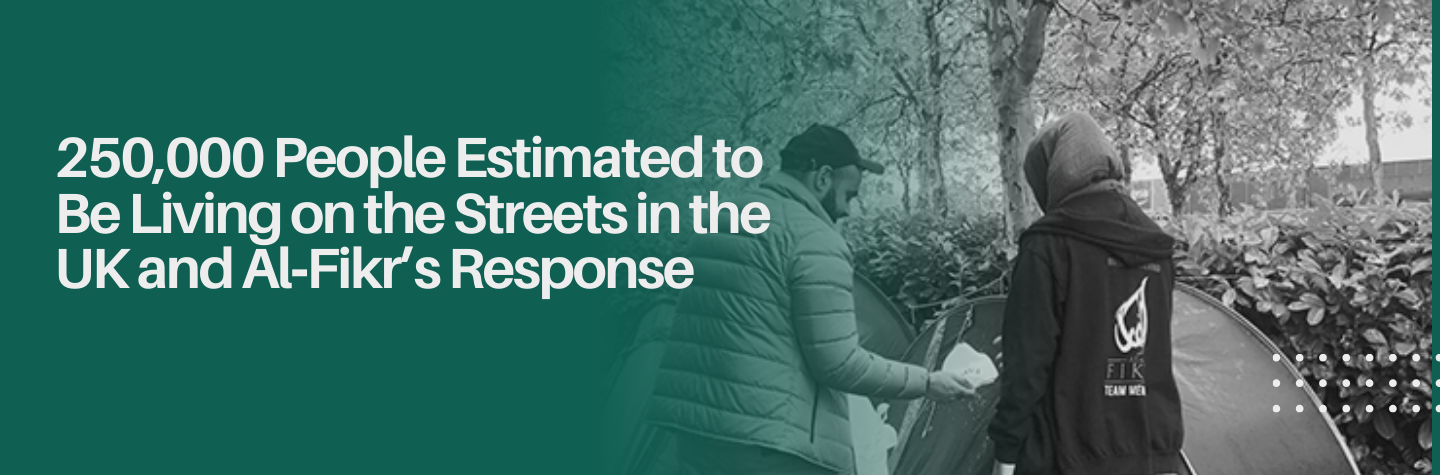
Direct Support Services: Al‑Fikr collaborates with local partners, shelters, and outreach programmes to provide essentials such as food, clothing, hygiene supplies, and temporary accommodation for individuals who would otherwise be sleeping on the streets.
Awareness and Advocacy: Through campaigns and educational efforts, Al‑Fikr raises public awareness about the realities of homeless, seeks to dispel stigma, and promotes policies that protect vulnerable populations.
Community Partnerships: Al‑Fikr works alongside other UK charities, faith‑based organisations, and service providers to amplify impact, share best practices, and expand resources for those in need.
Capacity Building: The charity supports projects designed to help people move from homelessness toward independence, including skills‑training workshops, employment support, and access to healthcare services.
Why Action Matters
The homelessness crisis is more than a statistic; it reflects profound social injustice. When thousands of people are without a safe place to sleep, the effects are felt across communities—in public health, economic productivity, social cohesion, and collective well‑being.
For donors, volunteers, and supporters, engagement with causes like Al‑Fikr Charity offers a tangible way to contribute to meaningful change. Contributions—whether financial, in‑kind, or through advocacy—help provide immediate relief and support strategic efforts to prevent homelessnes from recurring.
How You Can Help to People living on the streets
There are multiple ways individuals and organisations can support efforts to address homelessness:
Donate: Financial contributions to Al‑Fikr help fund essential services, partner programmes, emergency relief, and long‑term capacity‑building projects.
Volunteer: Local engagement in shelters, outreach teams, and community programmes extends the reach of support to those most in need.
Raise Awareness: Sharing information, challenging stereotypes, and advocating for inclusive housing policies help strengthen public understanding and political will.
Partner with Charities: Businesses and civic groups can collaborate with Al‑Fikr and other charities to develop sustainable, community‑based solutions.
Conclusion
Homelessness in the United Kingdom remains an urgent humanitarian issue, affecting hundreds of thousands of people in visible and hidden ways. With around 250,000 people estimated to be living without stable accommodation, the crisis calls for continued awareness, robust policy action, and collective compassion.