
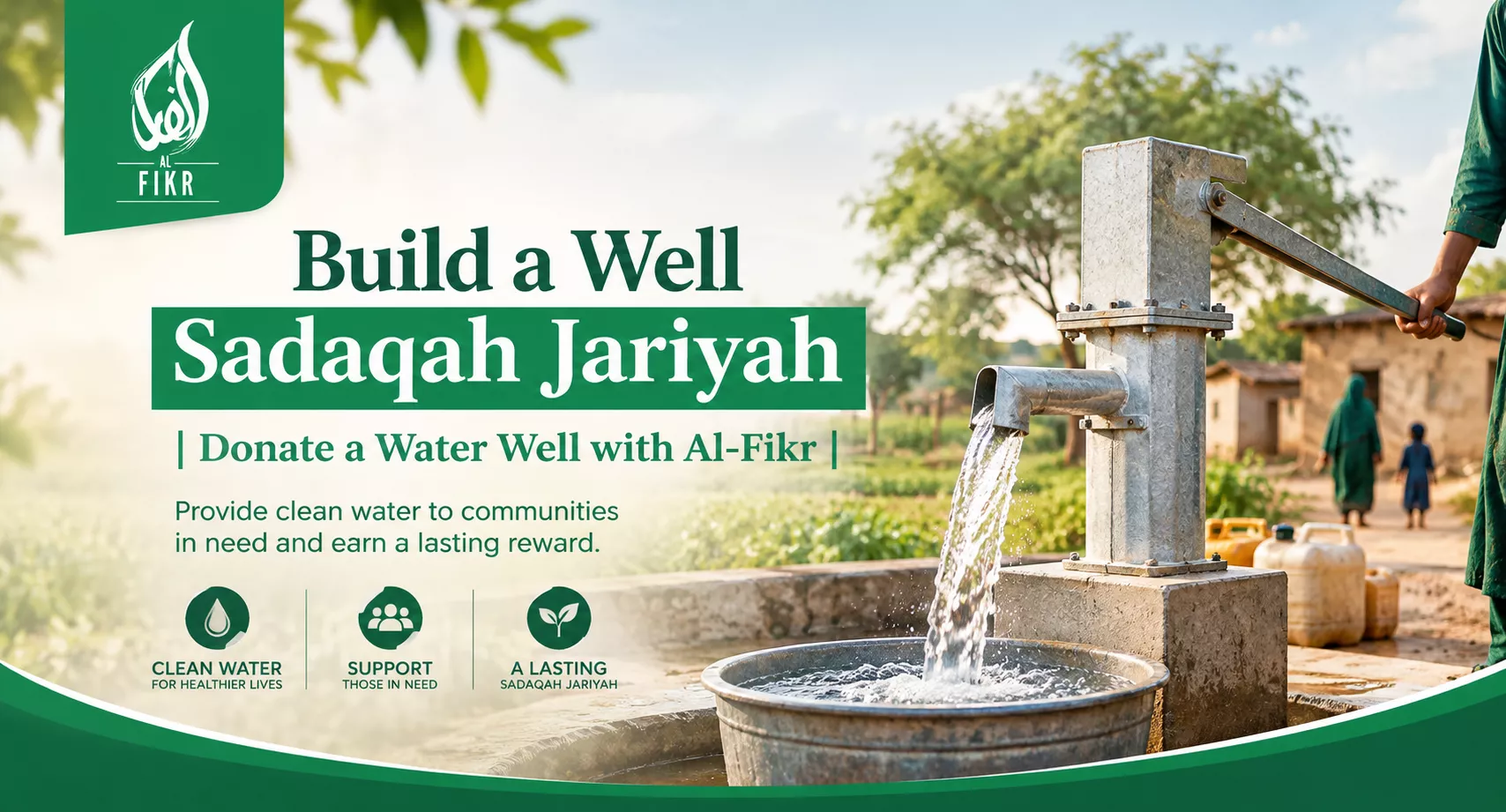

What is Sadaqah? In Islam, Sadaqah is a voluntary act of charity that holds immense spiritual significance. Unlike Zakat, which is obligatory, Sadaqah is given freely, often as a way to purify one’s wealth and soul. It can take many forms, from donating money to helping others with time, knowledge, or resources. One of the most cherished forms of Sadaqah is Sadaqah Jariyah, a type of charity that continues to benefit others even after the donor’s death, such as funding wells, schools, or hospitals.
Sadaqah is not limited to financial contributions; it includes acts of kindness, like offering a smile, a kind word, or helping someone in need. Through these acts of generosity, Sadaqah strengthens community bonds and fosters a deeper connection with Allah. Understanding the true essence of Sadaqah helps Muslims embrace its importance in everyday life and earn spiritual rewards.
What Does Sadaqah Mean in Islam?
Sadaqah in Islam refers to voluntary charity that Muslims give to help others. The word “Sadaqah” comes from the Arabic root word “Sidq,” which means truthfulness. In a way, when you give Sadaqah, you are demonstrating your sincerity and truthfulness towards Allah and your fellow human beings. Unlike Zakat, which is obligatory, Sadaqah is completely voluntary, and there is no set amount that one must give.
In essence, giving Sadaqah in Islam is an act of kindness that is highly valued, as it helps both the individual giving and those receiving. The purpose is to purify one’s wealth and soul, enhance compassion, and foster a sense of community. Sadaqah can be given for a variety of causes, including helping the poor, supporting the sick, or providing for a community’s welfare.
The Different Types of Sadaqah in Islam
There are many ways to give Sadaqah in Islam. It is not limited to money but can take various forms such as Sadaqah Jariyah, Sadaqah for charity, or even Sadaqah for spiritual growth. For instance, donating money to the poor and needy is the most common form of Sadaqah. However, you can also engage in Sadaqah Jariyah, which is an ongoing form of charity that continues to benefit others even after the donor’s death.
Some examples of Sadaqah Jariyah include building wells, schools, or hospitals. This type of charity is considered a long-lasting Sadaqah, and its rewards keep accumulating for the donor, even after they have passed away. The Sadaqah donation process for this type of charity is usually focused on funding projects that will provide continuous benefits to the community.
The Difference Between Sadaqah, Sadaqah Jariyah, and Zakat
It’s essential to understand the difference between Zakat and Sadaqah in Islam. While Zakat is obligatory and requires a specific percentage of your wealth (usually 2.5%) to be given annually, Sadaqah is voluntary and can be given in any amount and at any time. Sadaqah Jariyah, on the other hand, is a special form of Sadaqah that has long-term benefits, such as building a school or providing resources for the community.
Sadaqah focuses on the immediate needs of individuals, while Sadaqah Jariyah creates long-lasting positive effects that extend beyond the giver’s life. Zakat, though also a form of charity, serves to purify the giver’s wealth by redistributing a portion of it to the needy. Sadaqah is broader in its scope, embracing a range of charitable acts that go beyond financial donations.
Why is Sadaqah Important in Islam?
The significance of Sadaqah in Islam cannot be overstated. It plays a crucial role in purifying one’s wealth and soul. Giving Sadaqah is a sign of selflessness and helps strengthen the community by providing support to those who are less fortunate. The Quran and Hadith emphasize that those who give in charity are closer to Allah, and their good deeds will be rewarded in the Hereafter.
Moreover, Sadaqah for the poor and needy plays an essential role in addressing social inequality. By donating to those in need, Muslims can help reduce poverty and promote a more equitable society. The spiritual benefits of Sadaqah include increased blessings (Barakah) in wealth, peace of mind, and a stronger sense of connection to Allah.
The Impact of Your Sadaqah Donations
Your Sadaqah donations have a significant impact on both the recipient and the giver. For the recipient, the financial support can alleviate their immediate needs, whether for food, shelter, or healthcare. However, the impact of Sadaqah goes beyond the material benefits. The act of giving encourages a spirit of compassion, strengthens social bonds, and fosters a sense of responsibility within the community.
For the giver, Sadaqah purifies the heart and soul, bringing them closer to Allah. Sadaqah Jariyah donations, in particular, have long-lasting benefits that continue to reward the donor even after they have passed away. This enduring impact is a reminder of the value of acts of charity and their eternal rewards.
How Islamic Relief Uses Your Sadaqah Donations
One prominent charity organization that makes effective use of Sadaqah donations is Islamic Relief. They use donations to fund projects focused on community welfare and humanitarian aid across the world. From providing food and shelter to refugees to offering healthcare and education in developing countries, Islamic Relief ensures that your Sadaqah donation is used efficiently and effectively.
As a donor, you can choose which projects to support, such as Sadaqah for spiritual growth, or funding initiatives like building wells, schools, and hospitals. Through organizations like Islamic Relief, your Sadaqah not only helps meet the immediate needs of the less fortunate but also contributes to long-term community development and empowerment.
When Should You Give Sadaqah?
While you can give Sadaqah at any time, there are special occasions when Sadaqah holds even greater significance. During Ramadan, the rewards for charity are multiplied, making it an excellent time to give Sadaqah. Sadaqah in Ramadan is seen as a means of purifying one’s soul and earning greater blessings from Allah.
Apart from Ramadan, other occasions include after completing prayers, during times of personal hardship, or when one is feeling spiritually inspired. By giving regularly, you ensure that charity becomes a natural part of your life, helping to purify your wealth and bring you closer to Allah.
Who Should Receive Sadaqah?
Sadaqah is primarily given to those who are in need, including the poor, orphans, the sick, and those struggling with poverty or hardship. However, the Quran encourages Muslims to give to anyone who may benefit from the charity, regardless of their faith. This inclusivity extends to both Muslims and non-Muslims alike.
The recipients of Sadaqah can also include community organizations, religious institutions, and social causes. It is important to ensure that your Sadaqah donation reaches the right people and causes, making a genuine difference in their lives.
Can Sadaqah Be Given to a Mosque?
Many Muslims choose to give Sadaqah to their local mosques as a way of supporting the mosque’s community projects and upkeep. Giving Sadaqah to a mosque is a common practice because mosques often serve as centers of worship, education, and social gathering. Your donation helps the mosque provide services like organizing religious classes, maintaining the building, or supporting less fortunate members of the community.
The table below summarizes the differences between Sadaqah, Zakat, and Sadaqah Jariyah:
| Type of Charity | Definition | Requirement | Ongoing Benefit |
|---|---|---|---|
| Sadaqah | Voluntary charity given to help others | Not obligatory | No |
| Zakat | Mandatory charity (2.5% of wealth) | Obligatory | No |
| Sadaqah Jariyah | Ongoing charity that continues to benefit | Voluntary | Yes |
Benefits of Sadaqah: Personal, Social, and Spiritual Growth
The benefits of Sadaqah extend beyond the material world. On a personal level, Sadaqah fosters gratitude, selflessness, and humility. The act of giving without expecting anything in return purifies the soul and increases one’s sense of spiritual growth.
Socially, Sadaqah strengthens the community by providing for those in need and reducing inequality. It encourages a spirit of cooperation and mutual respect, ensuring that no one is left behind. Spiritually, Sadaqah brings the giver closer to Allah and increases the barakah (blessings) in their life.
Types of Sadaqah in Ramadan: Special Acts of Charity
During the blessed month of Ramadan, Muslims are encouraged to increase their acts of charity. Giving Sadaqah in Ramadan is an excellent way to purify one’s soul, as the rewards are believed to be multiplied during this sacred month. Sadaqah al-Fitr, which is given at the end of Ramadan, is a mandatory charity that helps provide food for the poor, ensuring that everyone can celebrate Eid.
Can Sadaqah Be Given to Non-Muslims?
Yes, Sadaqah can be given to non-Muslims. Islam encourages helping all people in need, regardless of their religion. This reflects the universal nature of Sadaqah and shows that charity in Islam is not limited by faith but instead is an act of kindness for all of humanity.
Conclusion What is Sadaqah
Sadaqah is a beautiful way to connect with others and purify one’s wealth and soul. It has a profound impact on both the giver and the receiver, helping to foster community welfare, spiritual growth, and social equality. Whether given to the poor, a mosque, or a charitable cause, Sadaqah embodies the spirit of compassion and generosity that is fundamental to Islam.
By making Sadaqah a regular part of your life, you not only help those in need but also grow spiritually and emotionally, gaining the eternal rewards promised by Allah.